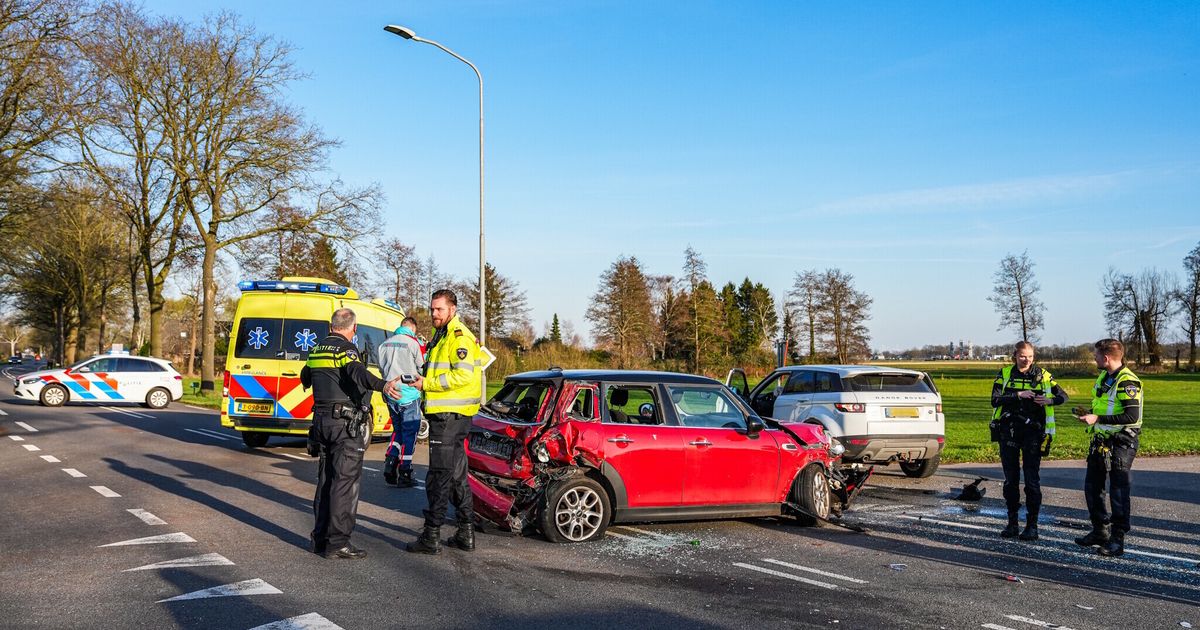
Injury Reported in Schoonebeek Road Accident on Het Schut: A Comprehensive Analysis
Schoonebeek, a tranquil village nestled in the beautiful province of Drenthe, experienced a concerning incident this morning as an **ongeval Schoonebeek** was reported on Het Schut. Around 10:57 AM, emergency services were alerted to a road traffic incident involving injuries, prompting an immediate deployment of police units to the scene. While the specifics of the accident are still under investigation, the event underscores the ever-present need for vigilance and adherence to road safety protocols, even in seemingly calm environments. This article delves into the immediate aftermath, the broader implications for the community, and essential measures for preventing future occurrences in Schoonebeek and beyond.
The report of an injury-sustaining accident instantly elevates the seriousness of the situation, requiring not just law enforcement but often medical personnel to be dispatched swiftly. The swift response from authorities is crucial in securing the area, managing potential hazards, and providing aid to those affected. Such incidents, even minor ones, can have significant ripple effects, causing disruptions to local traffic, emotional distress for those involved, and a sobering reminder to all residents about the unpredictable nature of road travel.
The Incident on Het Schut: Unpacking the Schoonebeek Accident
The quiet morning in Schoonebeek was interrupted by the urgent call regarding an **ongeval Schoonebeek** on Het Schut. This specific road, like many in residential or semi-rural areas, likely serves as a vital artery for local residents, connecting homes to amenities and main thoroughfares. An accident here can impact daily routines, school commutes, and local commerce. The timestamp of 10:57 AM suggests a time outside of peak rush hour, yet still a period of active community life, indicating that vigilance is required at all hours.
Initial Response and Scene Management
Upon receiving the report, police units were immediately dispatched. Their primary roles at an accident scene are multi-faceted:
- Securing the Area: This involves cordoning off the accident site to protect victims, emergency responders, and prevent further incidents.
- Traffic Management: Redirecting traffic, setting up diversions, and managing congestion to ensure smooth flow around the scene and prevent secondary accidents.
- Investigation: Gathering evidence, taking statements from witnesses and involved parties, and documenting the scene to reconstruct the events leading up to the crash.
- Liaison: Working with other emergency services like paramedics and fire departments, and informing local residents or media as appropriate.
The fact that an injury was reported means that medical personnel would also have been on standby or already at the scene, assessing the condition of the injured party and providing immediate care. This coordinated response is essential for minimizing harm and initiating the recovery process. For more details on police actions in such scenarios, you can refer to related reports like
Schoonebeek Road Accident: Police Respond to Incident on Het Schut and
Police Deployed After Schoonebeek Road Incident on Het Schut.
The Impact on the Community
While the immediate concern is for the injured, an accident like this also has a broader impact on the Schoonebeek community. Residents living along Het Schut or those who use it regularly may experience delays, temporary road closures, or simply a heightened sense of concern. Such events serve as a stark reminder that even in seemingly safe environments, road safety cannot be taken for granted. Local businesses might see temporary disruptions, and the news itself can cause unease among families, especially those with young drivers or children who walk to school.
Navigating the Aftermath: What Happens After an Ongeval Schoonebeek
Once the immediate emergency is addressed, the aftermath of an **ongeval Schoonebeek** involves several crucial steps, ranging from legal procedures to personal recovery. Understanding these processes can help individuals and communities better cope and respond effectively.
Police Protocol and Investigations
Following the initial response, the police investigation moves into a more detailed phase. This might involve:
- Accident Reconstruction: Experts may analyze vehicle damage, skid marks, road conditions, and witness testimonies to determine the cause of the accident.
- Determining Fault: Based on evidence, investigators will assess who, if anyone, was at fault, which has implications for legal proceedings and insurance claims.
- Reporting: A formal report is compiled, which is vital for insurance companies and any potential legal action.
If serious injuries or fatalities occur, the investigation becomes even more thorough, often involving specialized units and forensic analysis.
Medical Care and Recovery
For the injured party, the journey to recovery begins immediately. This could range from minor first aid to extensive hospitalization and long-term rehabilitation. The Dutch healthcare system is robust, providing comprehensive support, but the emotional and physical toll of an accident can be profound. Access to psychological support is also crucial, as trauma from road incidents can manifest in various ways, including anxiety, fear of driving, or post-traumatic stress.
Legal and Insurance Implications
Road accidents often lead to legal and insurance complexities. Involved parties will typically need to:
- Notify their Insurance Companies: Timely reporting is essential for claims processing.
- Exchange Information: Details like insurance policy numbers, contact information, and vehicle registration numbers are exchanged.
- Seek Legal Advice: Especially in cases of significant injury or disputed fault, legal counsel can be invaluable in navigating compensation claims and understanding rights.
The investigation's findings play a significant role in how these processes unfold, determining liability and the extent of compensation for damages and injuries.
Proactive Road Safety: Preventing Future Incidents in Schoonebeek
While it's impossible to eliminate all accidents, a proactive approach to road safety can significantly reduce the frequency and severity of incidents like the recent **ongeval Schoonebeek**. This requires a collective effort from drivers, pedestrians, cyclists, and local authorities.
Driver Responsibility: The First Line of Defense
Every driver holds significant responsibility for road safety. Key areas of focus include:
- Adherence to Speed Limits: Excessive speed is a leading factor in accidents. Respecting posted limits, especially in residential areas like Het Schut, is paramount.
- Avoiding Distractions: Mobile phone use, eating, or even intense conversations can divert attention from the road. "Eyes on the road, hands on the wheel, mind on driving" should be the mantra.
- Driving Sober and Rested: Impaired driving (alcohol, drugs) and fatigue drastically reduce reaction times and judgment.
- Maintaining Safe Following Distances: This allows sufficient time to react to sudden stops or changes in traffic flow.
- Vehicle Maintenance: Ensuring tires, brakes, lights, and wipers are in good working order is crucial for safe operation.
Pedestrian and Cyclist Safety
Schoonebeek, like many Dutch villages, likely has a vibrant cycling culture and pedestrian activity. For non-drivers, safety tips include:
- Visibility: Wearing bright clothing, especially at dusk or night, and using reflective gear or lights.
- Using Designated Paths: Sticking to sidewalks, bike lanes, and designated crosswalks.
- Awareness: Avoiding distractions (e.g., headphones) that might prevent hearing approaching traffic.
Local Infrastructure and Planning
Local authorities also play a vital role in preventing accidents. This involves:
- Road Design: Implementing traffic calming measures (speed bumps, chicanes), clear signage, and proper road markings.
- Maintenance: Ensuring roads are well-maintained, free of potholes, and adequately lit.
- Education Campaigns: Running local campaigns to raise awareness about specific road safety issues pertinent to Schoonebeek.
- Data Analysis: Regularly reviewing accident data to identify high-risk areas and implement targeted improvements.
Understanding the Broader Picture: Road Safety in Drenthe and Beyond
While the recent **ongeval Schoonebeek** is a localized event, it is part of a broader narrative of road safety challenges faced by communities across Drenthe and the Netherlands. Each accident, regardless of its scale, serves as a poignant reminder of the fragility of life and the importance of collective responsibility on our roads. The Netherlands generally boasts a high standard of road safety infrastructure and enforcement, yet incidents still occur, highlighting the human element as a critical variable. Continuous efforts in driver education, technological advancements in vehicle safety, and smart urban planning are all components of a holistic approach to minimize risks. By understanding the causes of accidents and implementing preventative measures, we can strive to make our roads safer for everyone, turning unfortunate incidents into learning opportunities for a more secure future.
Conclusion
The reported injury in the **ongeval Schoonebeek** on Het Schut serves as a somber reminder of the unforeseen dangers on our roads. While the police investigation will undoubtedly shed more light on the circumstances, the incident compels us to reflect on our collective commitment to road safety. The swift response of emergency services is commendable, but true progress lies in prevention. By fostering a culture of responsible driving, promoting awareness among pedestrians and cyclists, and continuously improving our road infrastructure, the community of Schoonebeek can work towards minimizing future accidents. Let this unfortunate event be a catalyst for renewed vigilance, ensuring that Het Schut and all roads in Schoonebeek remain as safe as possible for all who travel them.